

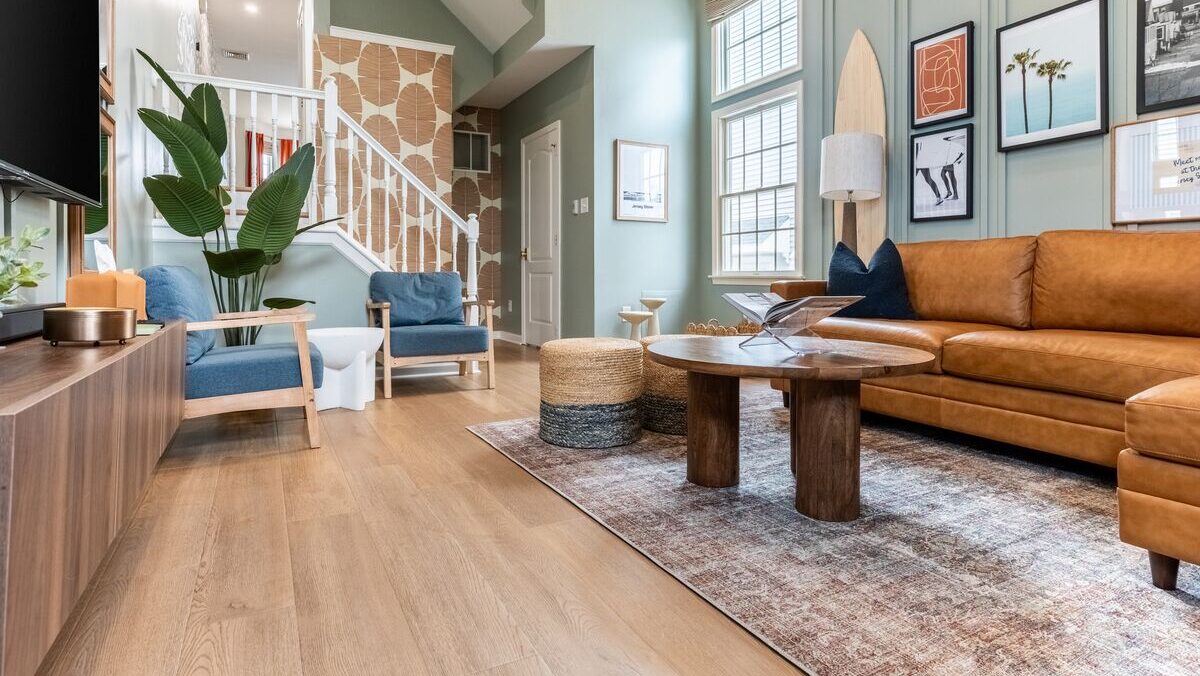
Your new flooring starts long before installation day. The decisions you make during your flooring design consultation determine whether you end up with floors you love or floors you regret. Emerald Coast homeowners who walk into their consultation prepared leave with clearer timelines, accurate budgets, and flooring that matches both their lifestyle and their design vision.
This guide walks you through every step of consultation preparation. You’ll learn how to set a realistic budget, what photos and measurements to bring, and how to evaluate different flooring materials before making your final decision.
Key Takeaways: How to Prepare for a Flooring Design Consultation
- Set a realistic budget range before your consultation, including materials, installation, and a 10-15% buffer for unexpected costs.
- Bring room photos, measurements, and samples of existing finishes like paint chips and cabinet colors to your appointment.
- Research flooring types beforehand so you can ask informed questions about durability, maintenance, and moisture resistance.
- Renovation Flooring’s two-story showroom allows you to see hardwood, tile, LVP, and carpet samples side by side before deciding.
- Prepare a list of questions about warranties, installation timelines, and long-term care requirements for your chosen flooring.
Why Preparation Matters for Your Flooring Consultation
A flooring consultation covers a lot of ground in a short time. Your flooring specialist needs to understand your space, your style preferences, your budget, and your practical requirements. The more information you bring, the faster you can move from browsing options to making confident decisions.
Preparation also protects your investment. Flooring installation represents a significant expense, and the wrong material choice in the wrong room can mean premature wear, moisture damage, or floors that clash with your existing decor. Taking time upfront to gather the right information prevents costly mistakes later.
How to Set a Flooring Budget Before Your Consultation
Your budget shapes every recommendation your flooring consultant makes. Without a clear budget range, you risk falling in love with materials outside your price range or missing premium options that fit your actual spending capacity.
What to Include in Your Flooring Budget
Calculate more than just the cost of materials. Your total flooring budget should account for material costs per square foot, professional installation labor, subfloor preparation or repairs, underlayment and moisture barriers, removal and disposal of existing flooring, and new transitions, trim, and baseboards.
Add a 10-15% buffer for unexpected expenses. Subfloor damage, additional material needs for pattern matching, or last-minute design changes can push your budget higher than anticipated.
How to Prioritize Rooms in Your Budget
Most homeowners cannot renovate every floor at once. Rank your rooms by priority so your consultant can help you allocate funds strategically. High-traffic areas like entryways and kitchens often benefit from more durable (and sometimes pricier) materials, while bedrooms may work well with softer, more budget-friendly options.
If stretching your budget across multiple rooms feels overwhelming, remember that you don’t have to pay for everything upfront. Many homeowners use financing to move forward with a full-home flooring plan instead of tackling one room at a time over several years, which can end up costing more in labor and disruption down the road. Financing can also make it easier to justify upgrading to a more durable, higher-quality material in your busiest spaces without derailing the rest of your renovation plans. Be sure to ask our flooring specialist about available financing options during your consultation — they can walk you through what fits your project and timeline best.
What Photos to Bring to Your Flooring Consultation
Photos give your flooring specialist context that measurements alone cannot capture. Even if you plan a showroom visit, images help identify design challenges and opportunities before you arrive.
Room Photos That Help Your Consultant
Take wide-angle shots of each room showing walls, windows, and existing flooring. Capture close-ups of current floor damage, transitions between rooms, and architectural details like built-ins or stairs. Photograph the natural light at different times of day, since flooring colors shift dramatically between morning sun and evening lamplight.
Design Inspiration Photos
Save images of rooms you love from Pinterest, Instagram, or design magazines. These don’t need to be exact matches for what you want. Even a general direction like “warm modern” or “coastal casual” helps your consultant narrow down thousands of options to a focused selection.
How to Take Accurate Room Measurements
Accurate measurements prevent ordering too much or too little material. While your flooring company will take professional measurements before installation, rough dimensions at consultation time help your specialist calculate preliminary estimates and recommend appropriate products.
Measuring Rectangular Rooms
Measure the length and width of each room at the widest points. Multiply length by width to get square footage. For a room measuring 15 feet by 20 feet, you would calculate 300 square feet of flooring material needed.
Measuring Irregular Spaces
Break complex rooms into smaller rectangles. Calculate each section separately, then add them together. Include closets, alcoves, and hallways in your total. Bring a simple sketch showing each area’s dimensions to your consultation.
Understanding Flooring Materials Before Your Consultation
Basic knowledge of flooring types allows you to ask better questions and evaluate recommendations with confidence. You don’t need to become an expert, but understanding the core differences between materials helps you match options to your specific needs.
Hardwood Flooring: Solid vs. Engineered
Solid hardwood consists of one piece of wood, typically 3/4 inch thick. It can be sanded and refinished multiple times over its 50-100 year lifespan. Solid hardwood works in living rooms, dining rooms, and bedrooms where humidity stays relatively stable. Avoid solid hardwood in bathrooms, basements, or areas with potential moisture exposure.
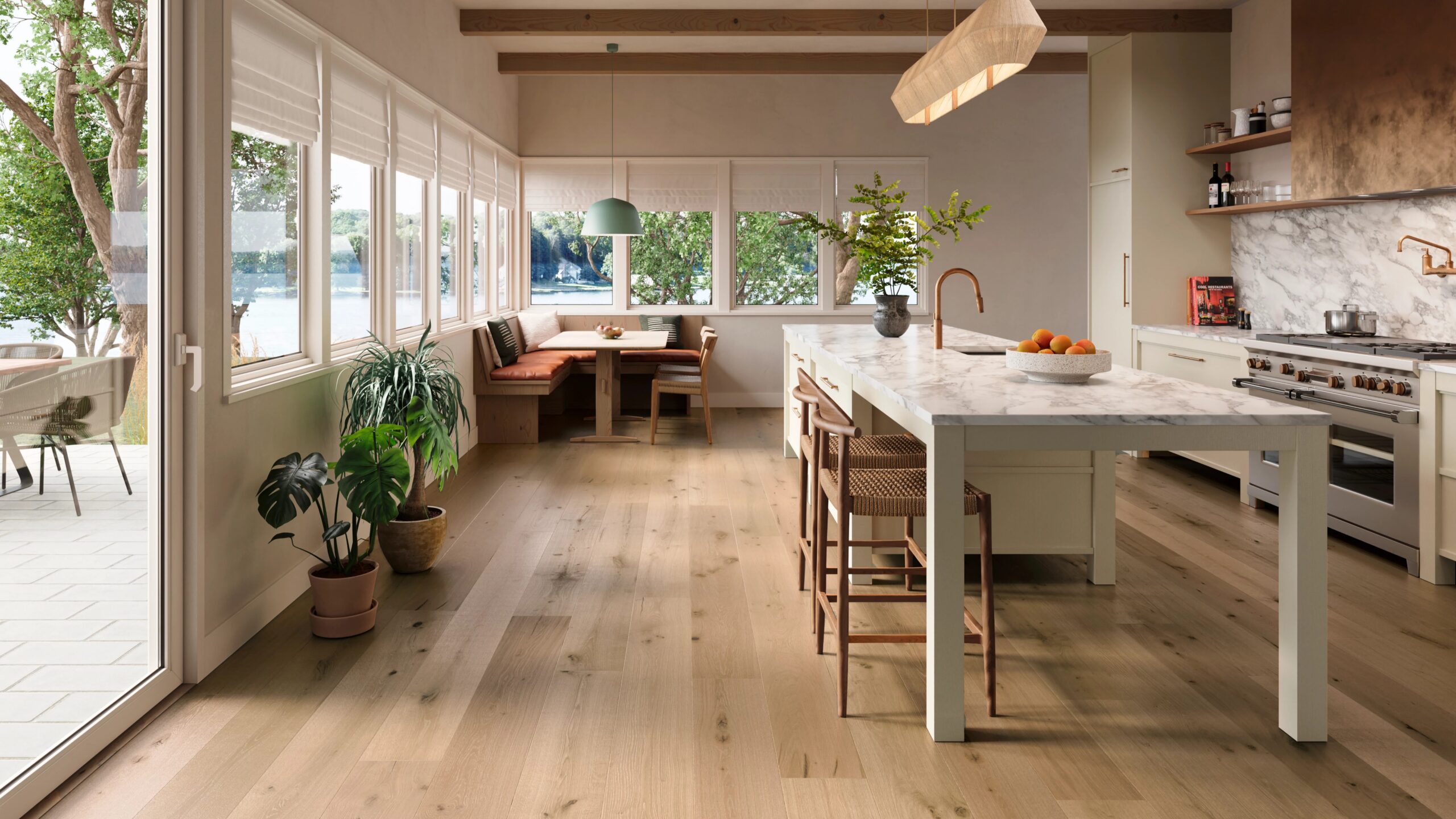
Engineered hardwood features a real wood veneer over a plywood core. This construction makes engineered hardwood more dimensionally stable than solid wood. You can install engineered hardwood over concrete and in spaces with moderate humidity fluctuations. This makes it one of the best choices for a coastal home environment. Renovation Flooring carries solid and engineered hardwood from top brands including Lauzon, Duchateau, Provenza, and Naturally Aged Flooring.
Luxury Vinyl Plank: The Waterproof Alternative
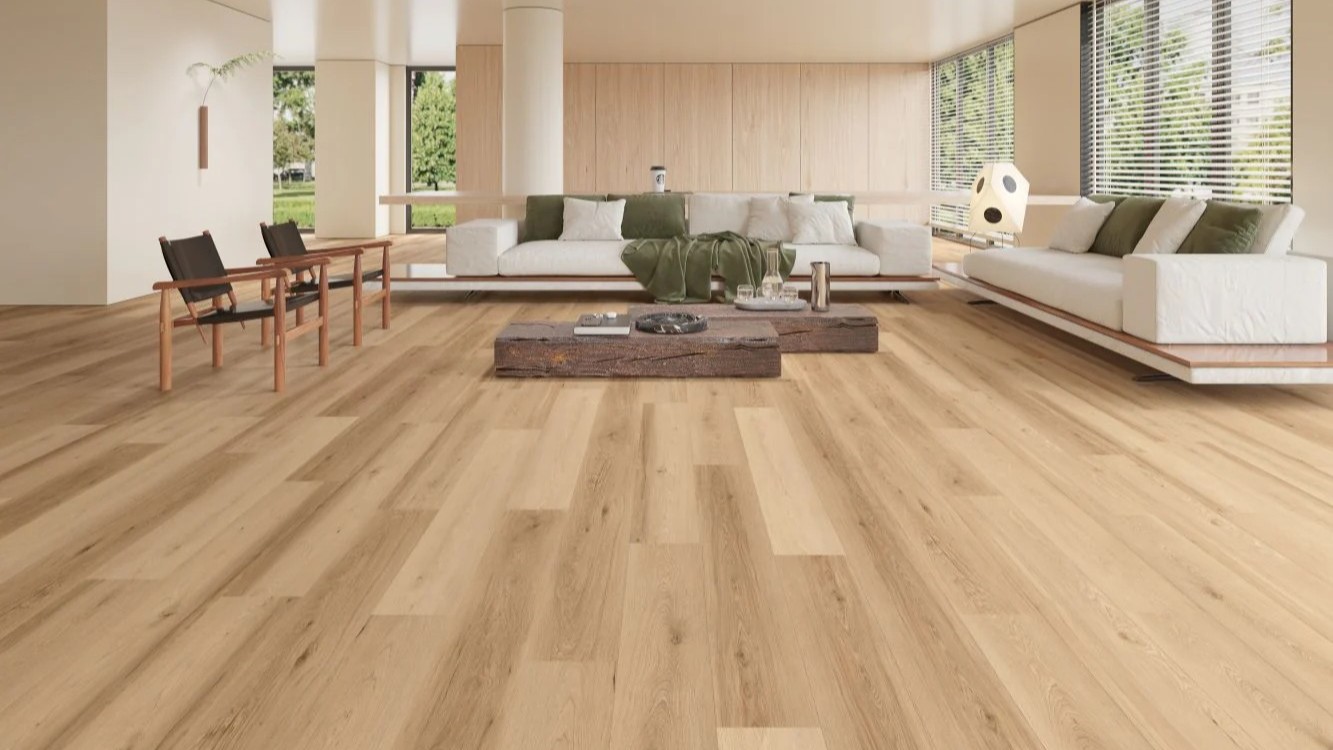
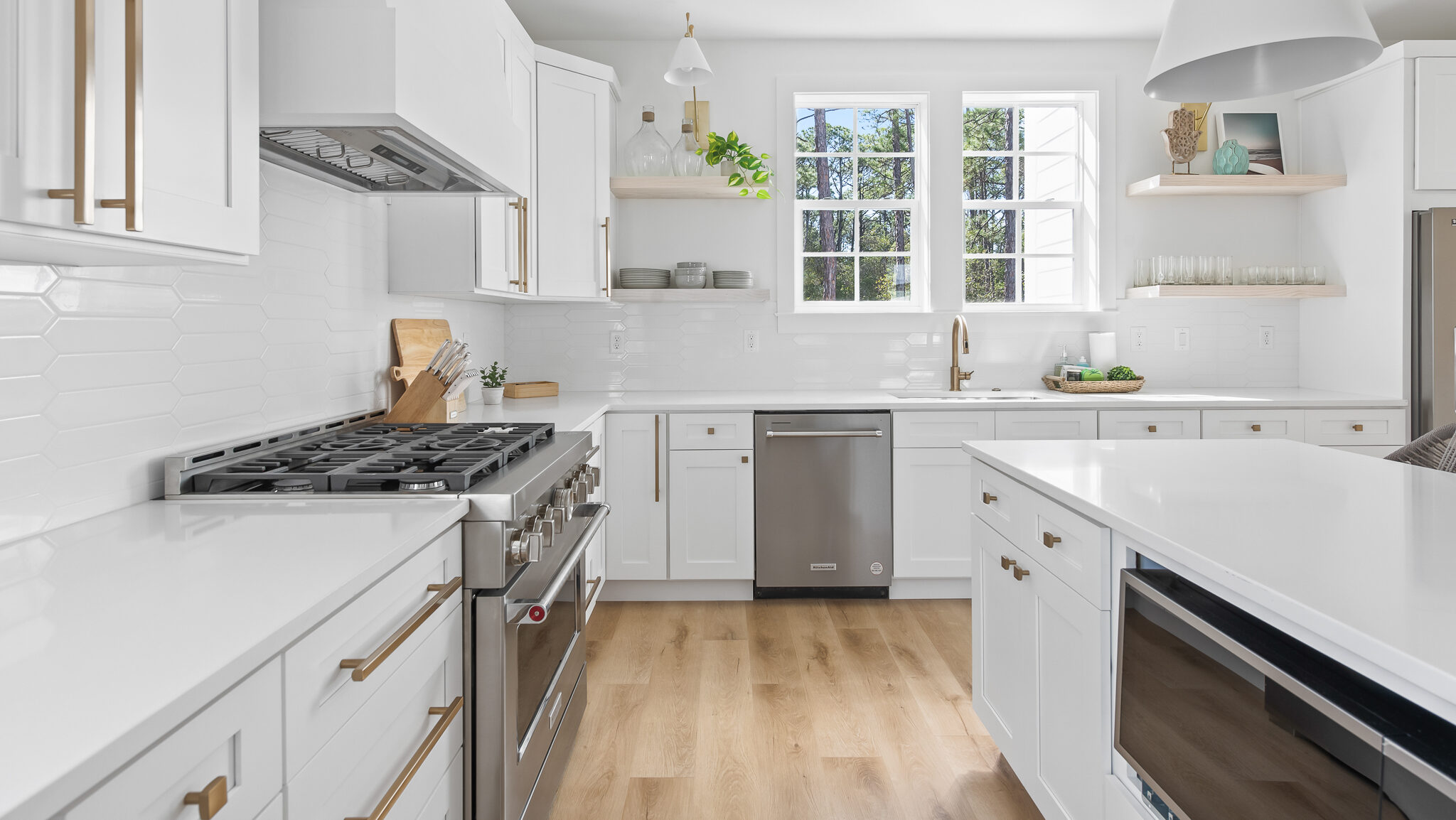
Luxury vinyl plank (LVP) has become the material of choice for moisture-prone areas. LVP is 100% waterproof, making it suitable for bathrooms, kitchens, laundry rooms, and basements. Modern LVP closely mimics the look of wood or stone while offering superior durability against scratches and dents.
The wear layer thickness determines LVP durability. Commercial-grade products with thicker wear layers last 20-30 years with proper care. LVP cannot be refinished, but damaged planks can typically be replaced individually. Waterproof luxury vinyl flooring offers Emerald Coast homeowners durability that withstands Florida’s humid climate.
Tile Flooring: Ceramic and Porcelain Options
Ceramic and porcelain tile resist moisture, scratches, dents, and stains. Porcelain tile, fired at higher temperatures than ceramic, offers even greater durability and weather resistance. Both work indoors, but porcelain can also be used on outdoor surfaces.
Modern tile technology produces high-definition graphics that closely resemble wood and natural stone. This means you can get the look of hardwood in a bathroom or kitchen while maintaining the moisture protection tile offers. Tile flooring remains a popular choice for Florida homes because of its cooling properties and longevity.
Carpet: Comfort and Warmth for Bedrooms
Carpet adds warmth, sound absorption, and cushion underfoot. Bedrooms, family rooms, and bonus spaces often benefit from carpet’s soft texture. Carpet fibers range from budget nylon to premium wool, each with different durability and maintenance requirements.
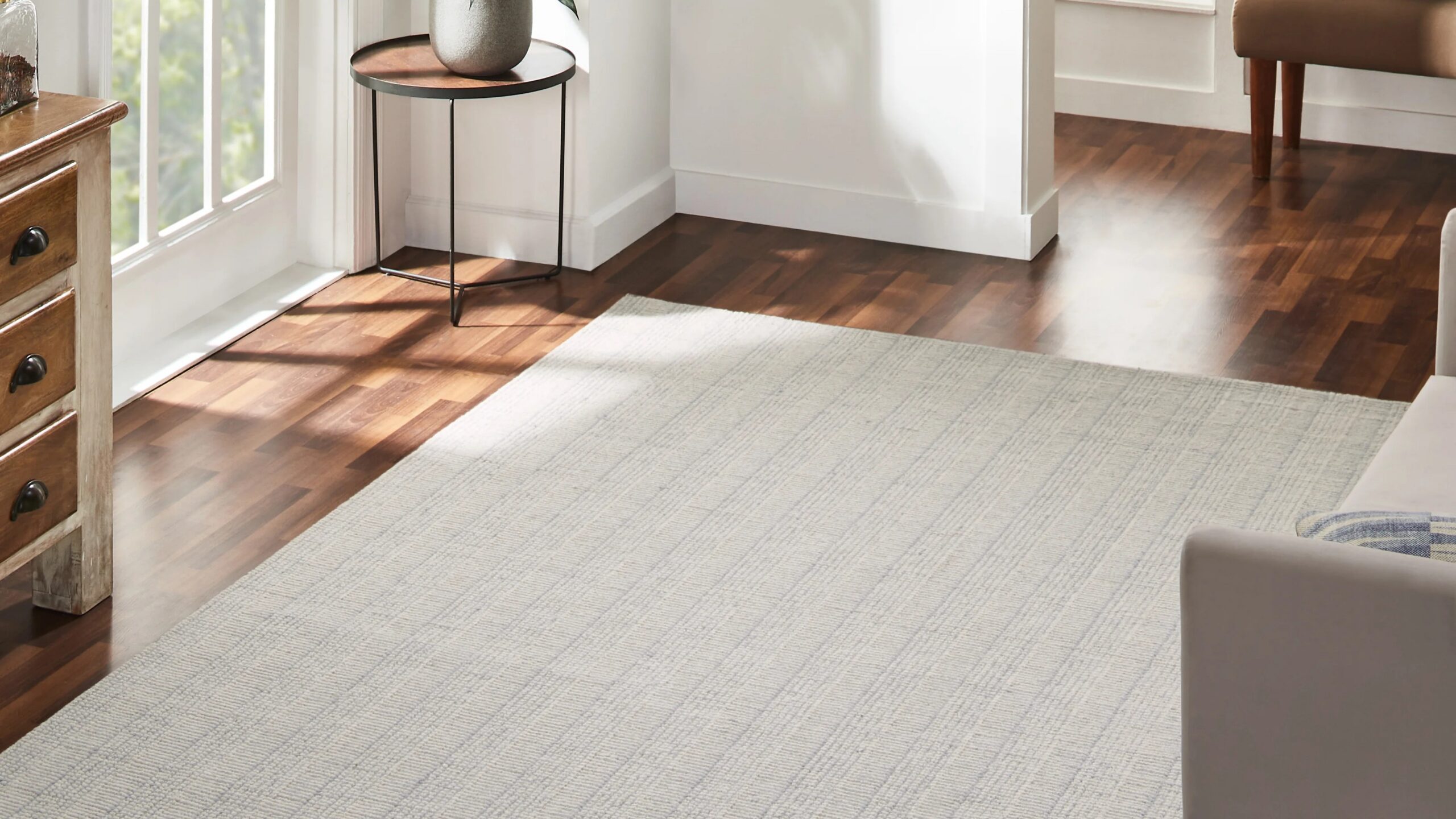
When evaluating carpet, ask about fiber type, pile density, and stain resistance. Higher pile density typically indicates better durability. Pet owners should look for carpets with built-in stain and odor resistance. Quality carpet and rugs from Renovation Flooring include options for every lifestyle and budget.
Laminate Flooring: Budget-Friendly Wood Looks
Laminate flooring features a photographic image layer over a fiberboard core. It can mimic wood, stone, or tile at a lower price point than natural materials. Premium laminate offers improved water resistance, though it is not waterproof like LVP.
Laminate cannot be refinished. Once the wear layer deteriorates, the flooring must be replaced. Life expectancy ranges from 15-25 years depending on quality and foot traffic. Laminate works well in bedrooms, living rooms, and other dry spaces where budget constraints are a primary concern.
How to Evaluate Flooring Samples During Your Consultation
Showroom lighting differs from your home’s lighting. Colors that look perfect under fluorescent lights may appear completely different in your living room. A structured approach to sample evaluation helps you avoid surprises after installation.
Testing Samples in Your Home
Request samples of your top choices to take home. Place samples in the actual rooms where installation will occur. View them at different times of day under natural and artificial light. Compare samples against your existing wall colors, cabinetry, and furniture.
Comparing Multiple Products Side by Side
Renovation Flooring’s two-story showroom in Miramar Beach displays thousands of flooring options organized by type and style. Seeing multiple products together helps you identify subtle differences in color, texture, and quality that individual samples cannot reveal.
Questions to Ask Your Flooring Consultant
Your consultation is the time to gather all the information needed for a confident decision. Write your questions down beforehand so nothing gets overlooked.
Questions About Material Performance
Ask which flooring performs best for your specific rooms and traffic levels. Inquire about scratch resistance if you have pets, moisture resistance for bathrooms or kitchens, and fade resistance in sun-exposed areas. Ask how different materials hold up in Florida’s humid climate.
Questions About Installation
Ask about the complete installation timeline from ordering to completion. Find out whether your subfloor will require preparation or repairs. Confirm who handles removal and disposal of your existing flooring. Ask whether the installation crew is employed directly by the company or subcontracted.
Questions About Cost and Warranties
Request a detailed estimate that separates material costs from labor and additional expenses. Ask about manufacturer warranties on materials and labor guarantees on installation. Inquire about payment schedules and financing options if needed.
What Lifestyle Information to Share With Your Consultant
Your daily routine directly impacts which flooring materials will perform well in your home. Be prepared to discuss household composition, including children and their ages, pets and pet sizes, and any mobility considerations.
Traffic and Usage Patterns
Identify your home’s high-traffic zones. Entryways, hallways between bedrooms and bathrooms, and kitchen work areas typically see the most foot traffic. Homes with frequent entertaining may need more durable materials in living and dining areas.
Maintenance Preferences
Some flooring requires more maintenance than others. Solid hardwood needs periodic refinishing. Carpet requires regular vacuuming and professional cleaning. Tile grout may need sealing. Be honest about how much maintenance you’re willing to perform so your consultant can recommend appropriate options.
Special Considerations for Emerald Coast Homeowners
Florida’s climate creates unique challenges for flooring selection. Humidity, sand tracked in from beaches, and potential hurricane-related flooding all affect material performance.
Humidity and Moisture Resistance
Solid hardwood may expand and contract more dramatically in Florida’s humid environment compared to drier climates. Engineered hardwood, LVP, and tile handle humidity fluctuations more gracefully. Discuss your home’s HVAC system and humidity control with your consultant.
Sand and Grit Management
Coastal living means sand finds its way indoors. Look for flooring with textured surfaces that hide minor scratches from grit. Consider durable options for entryways and mudrooms where sandy feet enter the home. Proper entry mats and regular sweeping extend the life of any flooring choice.
How to Prepare All Decision-Makers for the Consultation
Major home purchases go more smoothly when everyone involved participates in the decision. If you share your home with a spouse, partner, or family members, include them in the consultation process.
Aligning on Budget and Priorities
Discuss budget limits and room priorities before your appointment. Agree on which rooms need updating first and how much you’re comfortable spending. These conversations at home prevent surprises during the consultation.
Scheduling Around Availability
All decision-makers should attend the consultation if possible. When one person selects flooring alone, the other may be disappointed with the choice. Joint participation ensures everyone has equal input on a major household decision.
What Documents and Materials to Bring
Gathering the right materials before your appointment saves time and leads to more accurate recommendations.
Your Consultation Checklist
Bring photos of each room planned for new flooring, photos of design inspiration, room measurements or floor plans, samples of paint colors and cabinet finishes, your written budget range, and a list of questions.
HOA or Building Requirements
If you live in a community with a homeowner association, check for flooring restrictions before your consultation. Some HOAs restrict hard flooring on upper levels due to noise concerns. Others require specific materials or colors for exterior-visible areas.
What to Expect During Your Design Consultation
Renovation Flooring offers complimentary design consultations with experienced flooring specialists. Understanding the consultation flow helps you prepare for each stage.
The Consultation Process
Your consultant will begin by learning about your project scope, design preferences, and budget. They’ll present flooring options that match your criteria and explain the benefits and limitations of each. You’ll have the opportunity to see samples, compare products, and ask questions throughout the process.
Next Steps After Your Consultation
Following your appointment, you’ll receive a detailed estimate with material and installation costs. Take time to review the proposal and compare it against any other estimates you’ve obtained. Renovation Flooring’s team can answer follow-up questions as you finalize your decision.
Pro Tips for a Successful Flooring Consultation
Experienced Renovation Flooring specialists share these insider tips for getting the most from your consultation.
💡 Pro Tip: Request extra material beyond your calculated square footage. Ordering 7-10% extra accounts for cutting waste, pattern matching, and future repairs. Buying from the same dye lot ensures consistent color if you need replacements later.
💡 Pro Tip: Ask about acclimation requirements for your chosen material. Hardwood and laminate flooring need to sit in your home for 1-3 days before installation to adjust to your home’s temperature and humidity levels.
💡 Pro Tip: Don’t overlook transition strips and trim. The materials that connect different flooring types and cover edges contribute to the finished look. Discuss these details during your consultation rather than leaving them as afterthoughts.
The Bottom Line: Preparing for Your Flooring Design Consultation
Preparation turns a potentially overwhelming appointment into a productive planning session. When you arrive with your budget defined, your rooms measured, your style inspiration gathered, and your questions listed, your flooring consultant can focus on finding the perfect match for your home rather than backtracking for missing information.
The right flooring enhances your home’s beauty, supports your lifestyle, and lasts for decades. Taking time to prepare for your consultation protects that investment from the start.
When in doubt about what to bring or how to prepare, call ahead. A quick conversation with Renovation Flooring’s team can clarify exactly what information will help your specific consultation go smoothly.
Ready to start planning your flooring project? Visit Renovation Flooring’s showroom locations in Miramar Beach or Inlet Beach, or call (850) 460-7295 to schedule your complimentary design consultation with one of their knowledgeable flooring specialists.
FAQs About How to Prepare for a Flooring Design Consultation
What should I bring to a flooring consultation?
Bring room photos, measurements, paint samples, design inspiration images, and a written budget range. Renovation Flooring’s design consultants use these materials to recommend flooring that matches your style, fits your space, and stays within your budget.
How do I calculate my flooring budget?
Include material costs, installation labor, subfloor prep, underlayment, old flooring removal, and new trim. Add a 10-15% buffer for unexpected expenses. Renovation Flooring offers complimentary estimates that break down all costs so you can plan accurately.
Should I have a flooring type in mind before my consultation?
Basic research helps, but you don’t need a final decision. Understanding the differences between hardwood, LVP, tile, and carpet allows you to ask informed questions. Your consultant will help narrow options based on your rooms and lifestyle.
How long does a flooring design consultation take?
Most consultations last 45 minutes to two hours depending on project scope. Arriving prepared with measurements and design ideas helps your appointment stay focused and productive.
Can I bring flooring samples home before deciding?
Yes, Renovation Flooring encourages taking samples home to view under your actual lighting conditions. Colors appear differently in showroom lighting versus natural light in your rooms. Comparing samples against your existing decor helps confirm your choice.
What if I’m unsure about my flooring budget?
Share a comfortable range rather than a fixed number. Your consultant can show options across price points so you understand what different budgets can achieve. Renovation Flooring works with various budget levels to find quality flooring for every project.