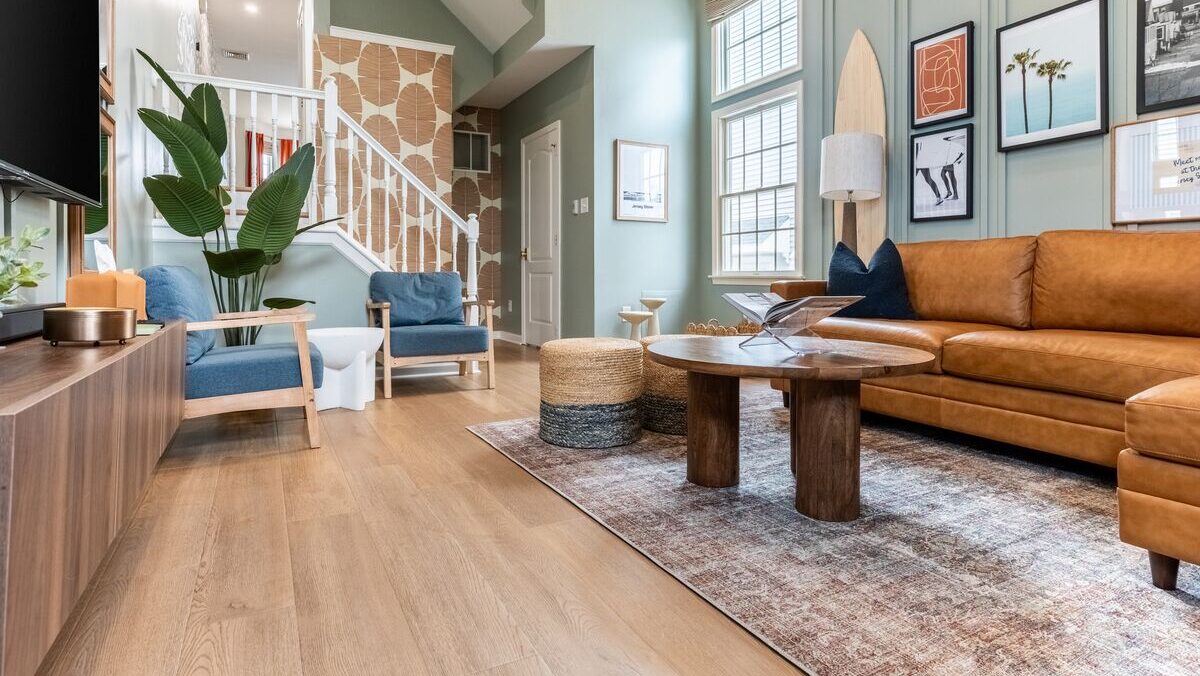


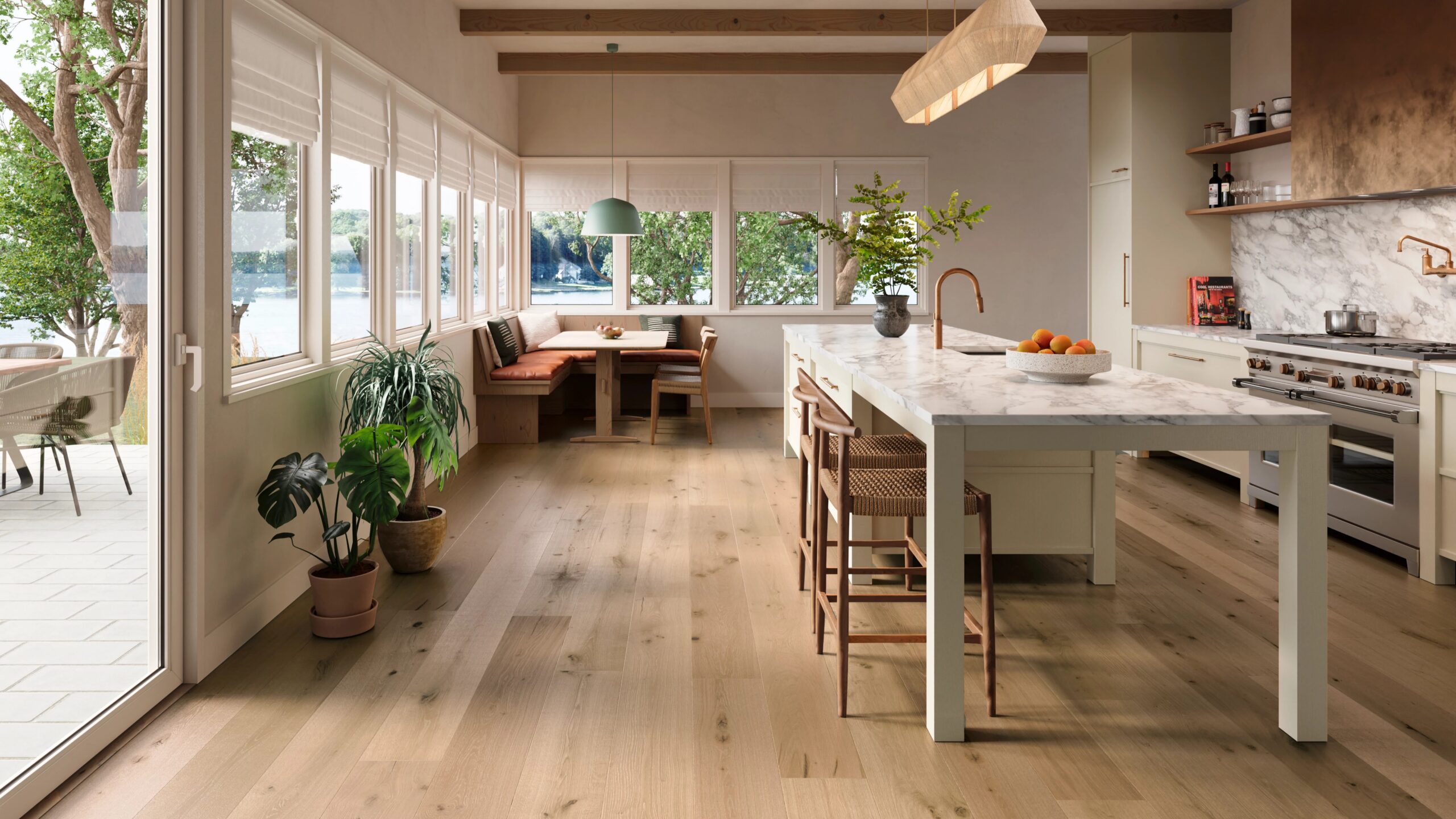
Installing hardwood flooring is one of the most impactful upgrades you can make to your home. According to Realtor.com, hardwood floors can increase a home’s sale price by 2.5% to 10%, with homeowners seeing an ROI of roughly 70% to 80% at resale. It’s no wonder — nearly two-thirds of U.S. buyers say real wood floors are part of their dream home. But before you can enjoy those returns, you have to answer one big question: should you install the floors yourself, or bring in a professional?
The answer isn’t one-size-fits-all. It depends on your skills, your timeline, your subfloor, and how much risk you’re willing to take on. Let’s break down the real pros and cons of each approach.
Why Hardwood Pays Off
Before comparing installation methods, it’s worth understanding why hardwood is worth the investment in the first place. Homeowners can typically expect a 70–80% return on investment from hardwood flooring, with some reports citing figures as high as 118% ROI at resale. Hardwood also tends to boost buyer interest immediately—it’s the flooring most homeowners picture when they imagine their ideal space.
That’s a strong case for choosing hardwood. The next decision is how it gets installed.
DIY Installation: Pros and Cons
Pros:
- Lower upfront cost. Skipping labor fees is the most obvious way DIY saves money.
- Personal satisfaction. Many homeowners enjoy the hands-on experience and pride of a self-completed project.
- Flexibility. You control your own schedule instead of waiting on a contractor’s availability.
Cons:
- Steep learning curve. Hardwood installation involves subfloor prep, moisture testing, acclimation, and precise layout planning—skills that take practice to get right.
- Mistakes are costly. Errors in fastening, spacing, or leveling often cost more to fix than hiring a professional would have cost upfront.
- Time-intensive. DIY installation almost always takes longer than professional work, and the rooms involved are unusable until it’s done.
- No labor warranty. If something goes wrong later, there’s no professional guarantee to fall back on.
Professional Installation: Pros and Cons
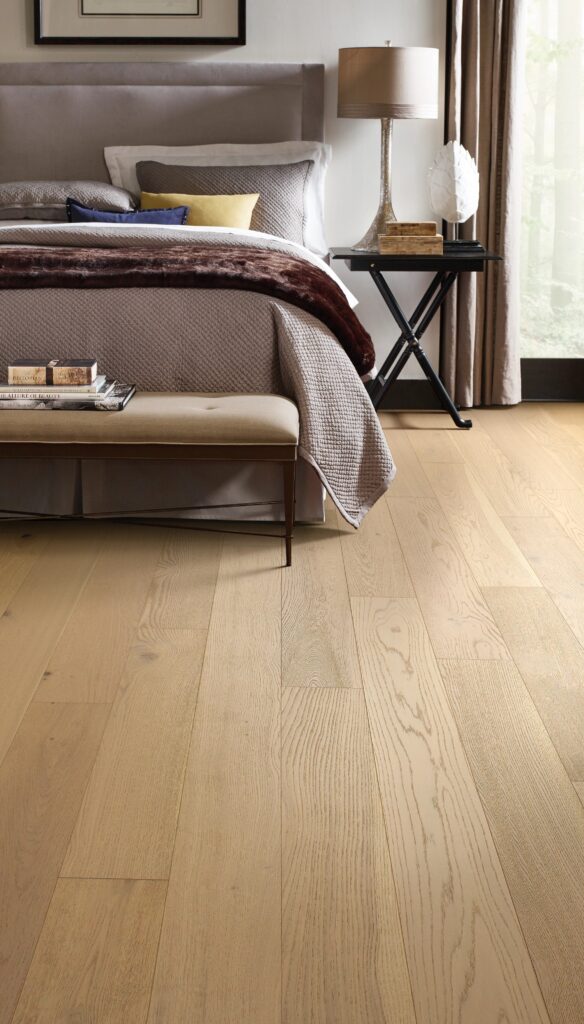
Pros:
- Expertise and precision. Professionals know how to properly prep and level subfloors, manage moisture, and choose the right fastening method (nail-down, glue-down, or floating) for your specific space.
- Pros typically complete installation in a fraction of the time it would take a DIYer, minimizing disruption to your home.
- Warranty protection. Professional installation often comes with a labor warranty, and it protects the manufacturer’s product warranty by ensuring installation meets specifications.
- Better results on complex projects. Stairs, wide-plank solid hardwood, herringbone patterns, and tricky room transitions are much harder to get right without experience.
Cons:
- Higher upfront cost. You’re paying for labor, tools, and expertise on top of materials.
- Scheduling dependency. You’re working around a contractor’s calendar rather than your own.
What Makes Hardwood Installation Tricky
Hardwood isn’t as simple as “lay it and go.” A few technical details separate a floor that lasts decades from one that gaps, cups, or squeaks within a year:
- Subfloor prep and leveling. Every subfloor needs to be checked for high spots, dips, squeaks, and loose panels before installation begins. Leveling compounds and shimming may be required depending on whether you’re nailing, gluing, or floating the floor.
- Acclimation and moisture control. Wood flooring needs time to acclimate to your home’s humidity before installation, and moisture issues in the subfloor can cause long-term problems if not addressed first. We recommend 48 to 72 hours for an engineered wood flooring, as long as it has reached appropriate moisture levels prior to installation.
- Layout planning. Getting starting lines straight, staggering seams properly, and leaving correct expansion gaps around walls and doorways all affect the finished look and longevity of the floor.
- Fastening method. Nail-down, glue-down, and floating/click-lock methods each suit different subfloor types (wood vs. concrete, slab vs. raised foundation) — choosing the wrong one can undermine the whole installation.
Should You DIY or Hire a Pro?
Consider DIY if you:
- Have some carpentry experience and have completed other home improvement projects successfully
- Are installing engineered click-lock planks in a simple, rectangular room
- Have a dry, sound, mostly level subfloor
- Are comfortable renting or buying the right tools and taking on the risk if mistakes happen
Hire a professional if:
- You’re installing solid hardwood, wide planks, or a custom pattern like herringbone
- Your home has concrete slabs, uneven subfloors, or moisture concerns
- The project spans multiple rooms, hallways, or includes stairs and complex transitions
- You want a faster timeline, guaranteed quality, and warranty protection
A Quick Cost Reality Check
For a typical 500 sq. ft. project, DIY installation can save meaningfully on labor—but that savings shrinks fast if you need extra materials to cover mistakes, rent specialty tools, or eventually call in a professional to fix an issue. Professional installation costs more upfront, but it reduces the risk of costly rework and protects both your flooring investment and your home’s resale value.
The Bottom Line
DIY hardwood installation can be a rewarding, budget-friendly option for smaller, straightforward projects with the right subfloor conditions. But for larger spaces, solid hardwood, or homes with tricky subfloors, professional installation often protects your investment better in the long run—both in floor quality and in the resale value hardwood is known for delivering.
Still not sure which route is right for your home? Our flooring experts at Renovation Flooring are here to help you weigh your options, choose the right hardwood product, and connect with trusted installers if you decide to go pro.
📞 Call us at (850) 460-7295 — Mon–Fri, 8:00 AM–5:00 PM; Sat, 9:00 AM–1:00 PM
✉️ Email us at info@renovationflooring.com
📍 Or stop by our showroom — no appointment necessary — at 11714 Emerald Coast Pkwy in Miramar Beach, FL
Whether you’re tackling this as a DIY project or want a professional to handle it start to finish, the Renovation Flooring team is ready to help you get the floor — and the return on investment — you’re looking for.